Hardwood Floor Demolition in Bergen County, NJ
Hardwood floor demolition services involve the careful removal of existing hardwood flooring to prepare a space for new flooring installation or other renovations. This process typically covers projects such as tearing out old, damaged, or outdated hardwood planks, whether installed over concrete slabs, subflooring, or existing structures. Homeowners often request this service when upgrading their interiors, addressing water damage, or replacing worn-out flooring to achieve a fresh, updated look.
Before requesting hardwood floor demolition, property owners usually want to understand the scope of the work, including how the removal may impact the surrounding areas and whether additional preparations are needed. It’s also common to inquire about the disposal of old materials and any potential repairs to subfloors or underlying structures after the old flooring is removed. Clarifying these details helps ensure a smooth transition to new flooring or renovation plans.
Many property owners in Bergen County, NJ look into Hardwood Floor Demolition for repairs, replacements, upgrades, and appearance-related improvements.
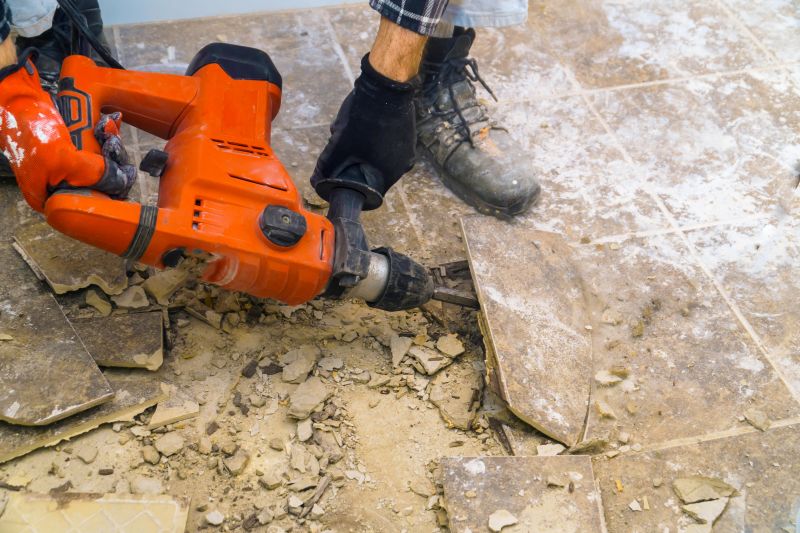
Safe Hardwood Floor Removal
Proper demolition ensures the safety of your home during hardwood floor removal projects.
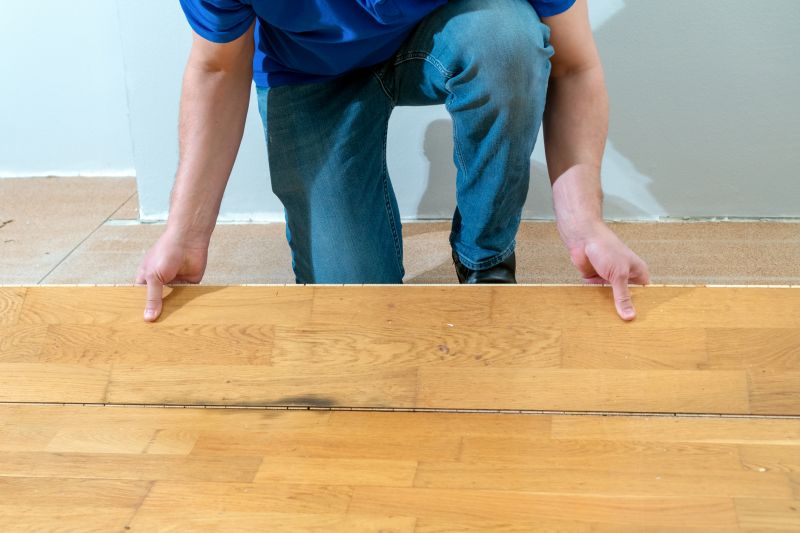
Preparing For Floor Replacement
Demolition services clear the way for new flooring installations in bergen county homes.
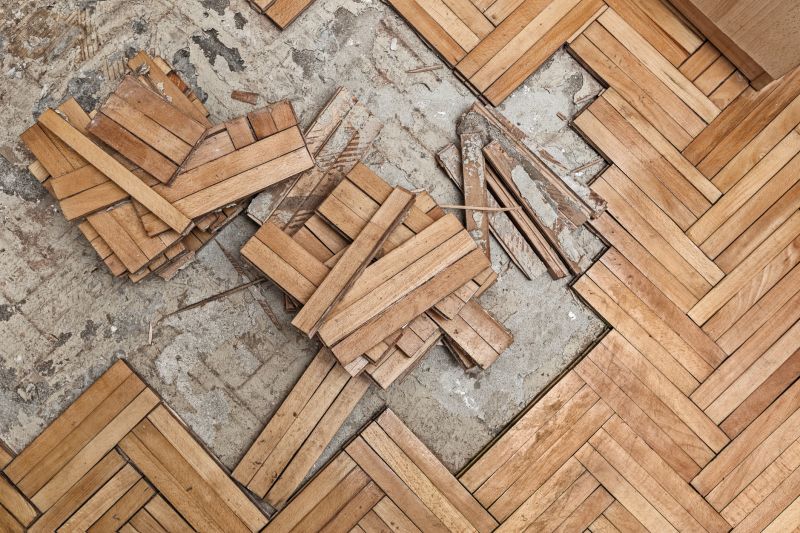
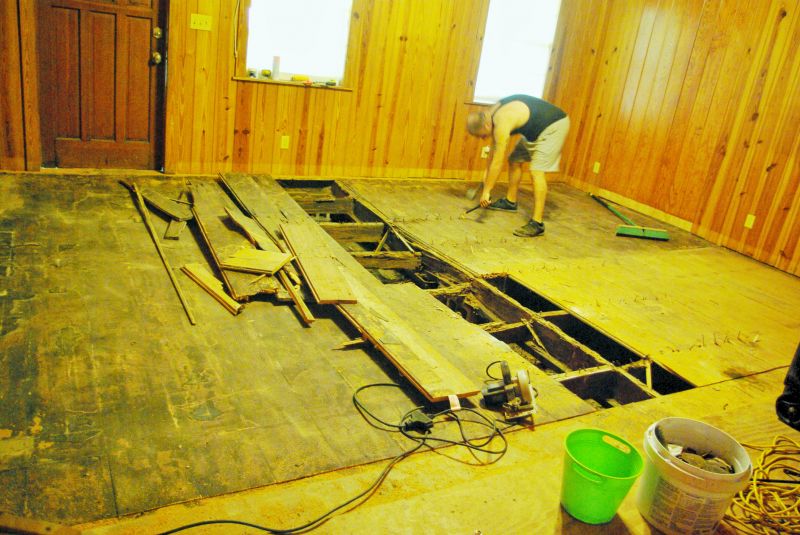
Handling Old Floor Materials
Professional removal safely manages old or damaged hardwood materials to prevent debris and hazards.
Hardwood Floor Demolition in Bergen County, NJ
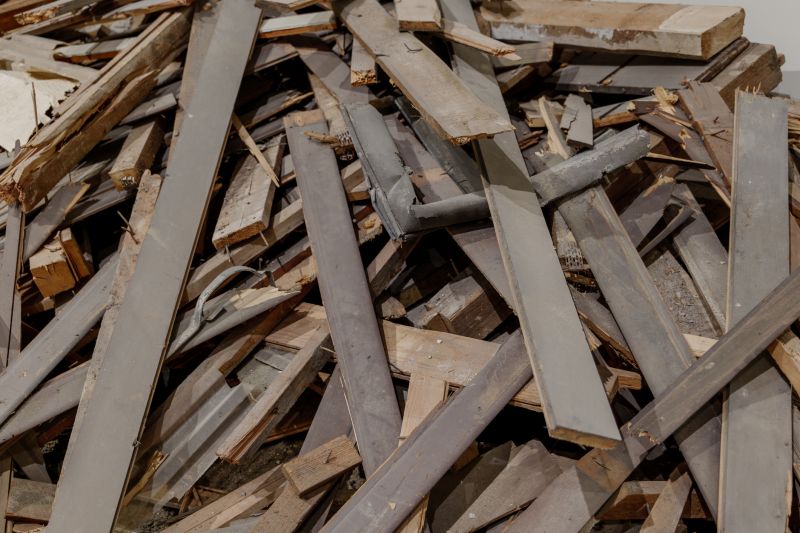
Hardwood floor demolition services involve the careful removal of existing hardwood flooring to prepare a space for new flooring installation or other renovations. This process typically covers projects such as tearing out old, damaged, or outdated hardwood planks, whether installed over concrete slabs, subflooring, or existing structures. Homeowners often request this service when upgrading their interiors, addressing water damage, or replacing worn-out flooring to achieve a fresh, updated look.
Before requesting hardwood floor demolition, property owners usually want to understand the scope of the work, including how the removal may impact the surrounding areas and whether additional preparations are needed. It’s also common to inquire about the disposal of old materials and any potential repairs to subfloors or underlying structures after the old flooring is removed. Clarifying these details helps ensure a smooth transition to new flooring or renovation plans.
Many property owners in Bergen County, NJ look into Hardwood Floor Demolition for repairs, replacements, upgrades, and appearance-related improvements.
Common Hardwood Floor Demolition Jobs
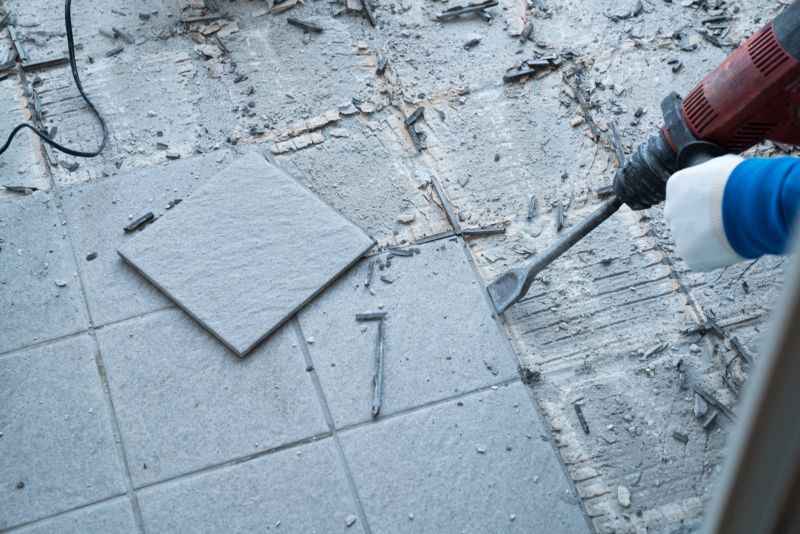
Hardwood Floor Demolition - involves safely removing existing hardwood flooring for renovations or updates.
Floor removal for remodeling - prepares spaces for new flooring installations or layout changes.
Damage repair and removal - clears out damaged or worn hardwood to restore the floor’s appearance.
Old flooring replacement - involves tearing out outdated or deteriorated hardwood for a fresh look.
Subfloor preparation - removes the existing floor to prepare the surface for new flooring materials.
Property renovation projects - includes hardwood removal as part of comprehensive interior upgrades.
Hardwood Floor Demolition Questions
What is hardwood floor demolition? It involves removing existing hardwood flooring to prepare for new installation or renovations.
When is hardwood floor demolition needed? It is typically required during remodeling projects, floor repairs, or when replacing damaged flooring.
What should property owners consider before demolition? Ensuring proper disposal of old materials and checking for underlying issues that may affect removal is important.
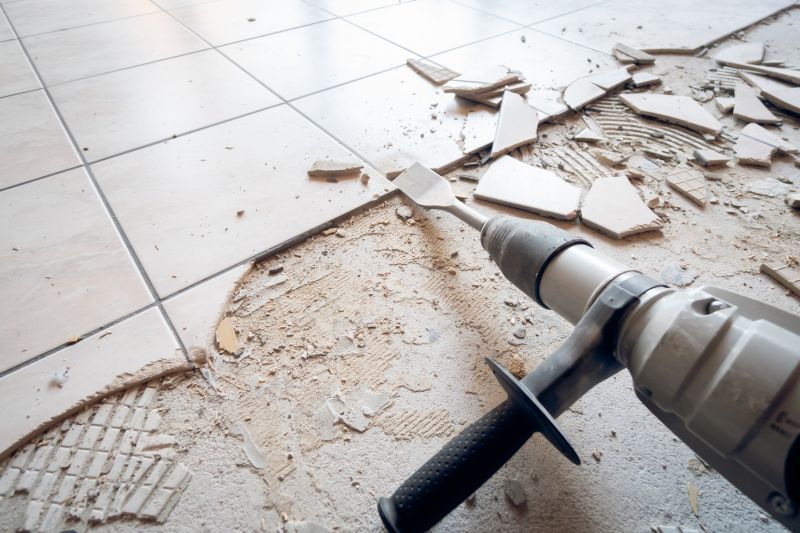
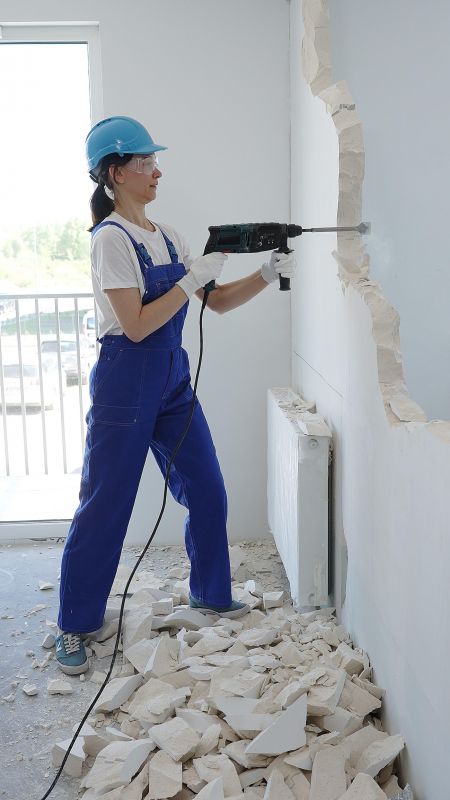
Does hardwood floor demolition create a lot of dust? Demolition can produce dust and debris, so proper containment measures are recommended during the process.
Request Hardwood Floor Demolition in Bergen County, NJ
Use the quote form on this page to share the basics of your project and request more information for the type of work you need.